
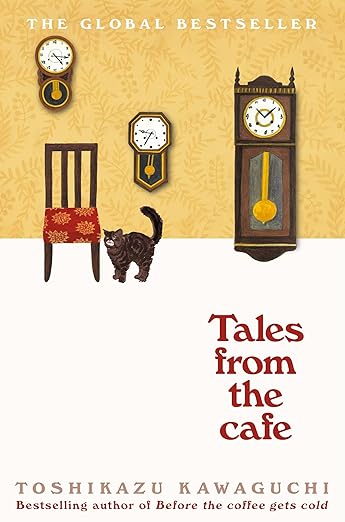
Tales from the Cafe
Finding Closure in a Cup of Coffee
You know how some authors or books just leave a profound impact on your life. Well, for me, it has been Toshikazu Kawaguchi. His second book, “Tales from the Cafe”, was more than just an encounter with magical realism; it became a profound exploration of human psychology and the ways we process regret, loss, and unfulfilled relationships. While the premise of time travel may seem simple, I discovered deeper truths about how our minds cope with the past and why closure is such a fundamental human need.
The weight of unspoken words leaves a lasting mark on the human psyche. Every visitor carries the burden of things left unsaid, apologies never delivered, love never expressed, and gratitude never shared. This resonated deeply with me because we are haunted not by what we did, but often by what we failed to do.
From a psychological standpoint, this reflects the concept of anticipated regret and the cognitive bias toward omission over commission. The book taught me that our brains tend to ruminate more intensely on missed opportunities than on mistakes we actively made. The characters’ desperate need to go back in time mirrors the repetitive thought patterns that psychologists call rumination, that endless mental replay of “what if” and “if only.”
The cafe’s central rule is that when we cannot change the present, no matter what we do in the past, time travel seems pointless. But this book forced me to recognise that healing doesn’t come from changing external circumstances. It comes from transforming our internal relationship to those circumstances. The characters learn that revisiting the past isn’t about altering events but about gaining new perspectives, understanding motivations, and releasing the narratives that have kept them trapped. Closure is less about getting different outcomes and more about making peace with the outcomes we have.
The book challenged my previous understanding of grief as something with a clear endpoint. Instead, it portrayed grief as a recurring presence, something we revisit, reprocess, and gradually integrate into our identity. The characters who visit deceased loved ones aren’t “getting over” their loss; they’re finding ways to carry the loss differently.
Ultimately, the book’s greatest psychological insight is that we cannot live in the past, nor should we try. The characters who benefit most from their time travel are those who use the experience to move forward more authentically. They don’t get stuck in nostalgia or wishful thinking; they extract meaning and then re-engage with present life.
Most importantly, I learned that we all carry our own version of the cafe’s magic, the ability to revisit the past in our minds, reframe our experiences, and choose how those experiences will shape our future. We cannot change what happened, but we can always change what it means. That transformation, from victim of our past to author of our narrative, is the real magic the book offers.